懂你英语Level 6 Unit 2 Part 3 Reading【The Murder of Caesar】



1>>
Should a good leader be loved or feared? This question is as relevant to leaders today as it was to Julius Caesar when he took control of Rome in 44 BC. How Caesar treated his enemies is a valuable lesson on forgiveness, arrogance, and absolute power.
be relevant to = 和……有关
take control of = 控制
arrogance = 自大,傲慢态度
2>>
After Caesar seized power, he had to decide how to handle those who opposed him. Roman politics had always been bloody. The previous dictator had murdered 5 ,000 of his rivals and confiscated their property after coming to power. Caesar's enemies expected a similar punishment.
seize power = 夺取政权
oppose = 反对,对抗
bloody = 血腥的,残忍的
previous = 以前的
dictator = 独裁者
rival = 对手,竞争者
confiscate = 没收
property = 财产
come to power = 执政,当权
3>>
But Caesar was determined not to rule through fear. If he were to reform the government, he would need the support of the people. So he made a fateful decision: rather than punish or kill his enemies, he offered them mercy and incentives. He didn't seize their property, and he even rewarded some of them with high-ranking government positions.
reform = 改革,革新,重组
a fateful decision = 致命的决定
mercy = 仁慈,宽容
incentive = 鼓励,刺激
reward = 奖励,奖赏
4>>
However, not all of his enemies wanted to be forgiven. Caesar's rivals came from the aristocracy. Many had held power in the senate for centuries. By expanding and reforming the senate, Caesar had shifted power away from the aristocracy and taken it for himself. The high-ranking positions he had given as rewards had no real authority. For the aristocracy, to live without power was not forgiveness, but humiliation.
aristocracy = 上层社会,贵族
humiliation = 耻辱,丢脸
5>>
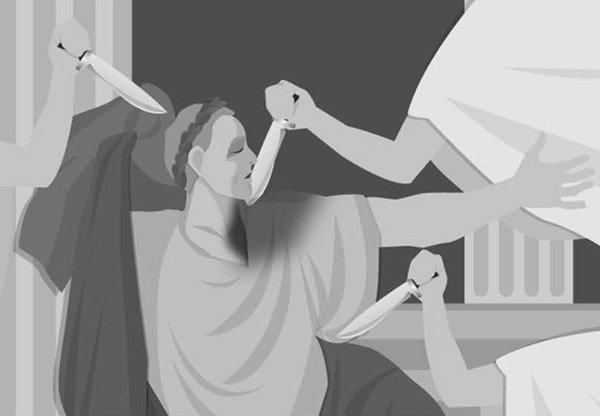
Caesar should have known that many senators hated him, but his arrogance seems to have blinded him. After he made himself dictator for life, he proclaimed himself a god and consolidated more power. These actions infuriated his enemies and even his allies. However, he still considered many senators to be his loyal friends. He even dismissed his personal security force. Ironically, when he was assassinated, it was his good friend, Brutus, who led the plot.
proclaim = 宣告,公布
consolidate = 巩固,使固定
infuriate = 激怒
allies = 同盟国,协约国
dismiss = 解雇,开除
ironically = 讽刺地
plot = 阴谋
6>>
Perhaps it is better for a leader to be feared. If Caesar hadn't let his rivals live, he might not have been murdered. But was forgiveness the problem? Caesar's reforms took power from the aristocracy, and his arrogance angered both friends and enemies. Perhaps if he hadn't been so arrogant, or acted like a god, he would have survived.
Exercises:
1. What is the story saying about leadership?
>> Arrogance can be a dangerous quality in a leader.
2. How did the aristocracy feel about Caesar's reforms?
>> They felt angry and humiliated.
3. How did Ceasar treat his enemies after he seized power?
>> He offered them mercy and incentives.
4. What does the author believe about Ceasar's arrogance?
>> It blinded him to the dangers around him and led to his death.
5. To humiliate somenone means to make them feel foolish and ashamed.
6. To reform something means to make changes to it to improve it.
7. To infuriate someone means to make them feel extremely angry.
8. To confiscate something means to take possession of it.
Please tap the first correct sentence to appear:
1. How did Ceasar consolidate his power?
>> By expanding and reforming the senate, Caesar had shifted power away from the aristocracy and taken it for himself.
2. Why couldn't Ceasar see the danger facing him?
>> Caesar should have known that many senators hated him, but his arrogance seems to have blinded him.
3. How had the previous dictator handled those who opposit him?
>> The previous dictator had murdered 5 ,000 of his rivals and confiscated their property after coming to power.
4. How did Ceasar handle his opposition?
>> So he made a fateful decision: rather than punish or kill his enemies, he offered them mercy and incentives.
Fill in the blanks:
1. By expanding and reforming the senate, Caesar had shifted power away from the aristocracy and taken it for himself.
2. After Caesar seized power, he had to decide how to handle those who opposed him. Roman politics had always been bloody. The previous dictator had murdered 5 ,000 of his rivals and confiscated their property after coming to power. Caesar's enemies expected a similar punishment.
Put the sentences below in order:
(1) These actions infuriated his enemies and even his allies.
(2) Caesar should have known that many senators hated him, but his arrogance seems to have blinded him.
(3) However, he still considered many senators to be his loyal friends.
(4) After he made himself dictator for life, he proclaimed himself a god and consolidated more power.
Correct Order: (2) (4) (1) (3)
Repeat & Read Sentences:
1. If he were to reform the government, he would need the support of the people.
2. If Caesar hadn't let his rivals live, he might not have been murdered.
3. However, he still considered many senators to be his loyal friends.
4. The previous dictator had murdered 5 ,000 of his rivals and confiscated their property after coming to power.
5. This question is as relevant to leaders today as it was to Julius Caesar when he took control of Rome in 44 BC.